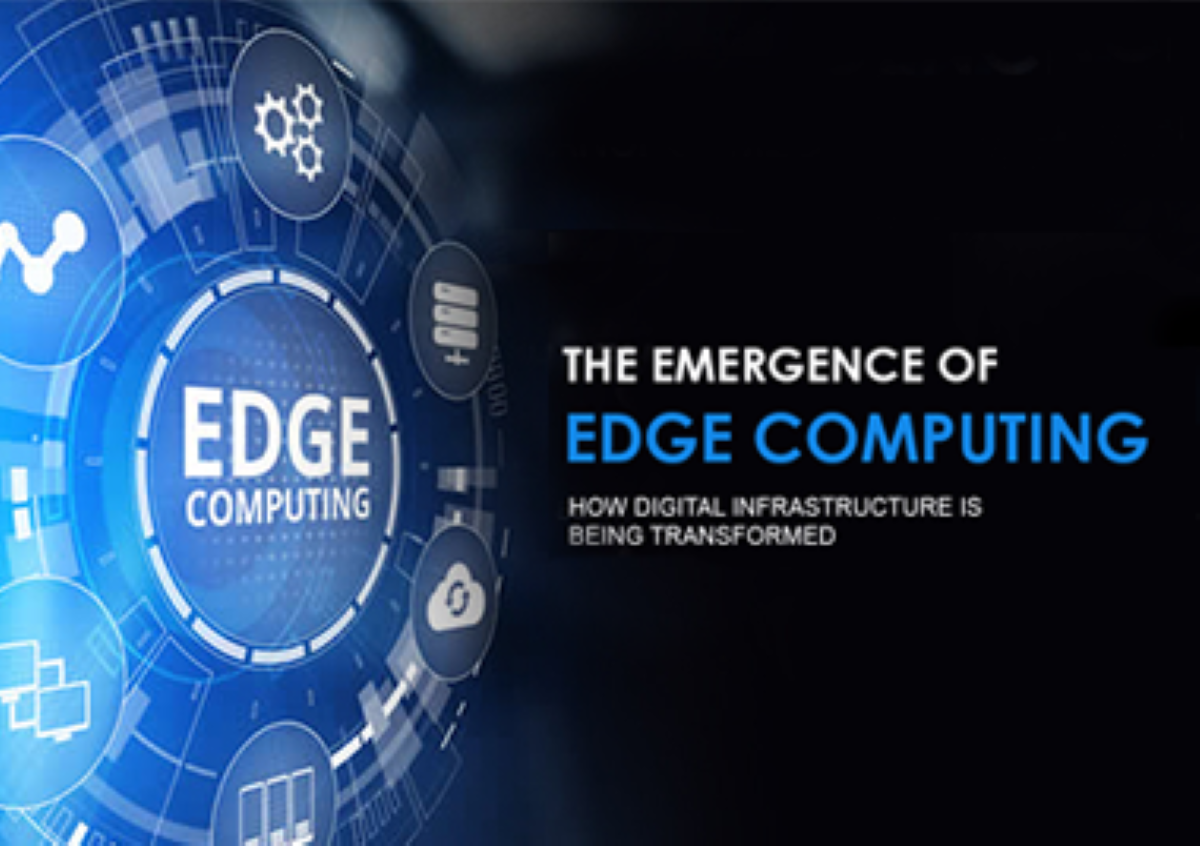
Edge computing is an emerging computing paradigm that refers to a variety of networks and devices at or near the user. Edge is about processing data closer to where it’s being generated, enabling processing at faster speeds and volumes, leading to better action-led results in real-time.
Compared to conventional models, which concentrate processing power in an on-site data center, it has a few special advantages. By locating computing at the edge, businesses can enhance the way they handle and utilize tangible assets while generating novel, human-centered experiences. Automated retail, self-driving automobiles, autonomous robots, and smart equipment data are a few instances of edge use cases.
The advent of cloud computing in the late 1990s revolutionized the way digital information and resources were shared and stored across several users. The advent of Software as a Service (SaaS) platforms in the early 2000s spurred additional development by enabling the provision of programs via the Internet. Following the advent of AWS, Microsoft Azure, and Google Cloud Services, cloud computing usage started to skyrocket.
The emergence of edge computing represents yet another noteworthy development. Cloud computing revolutionized data storage and retrieval, but edge computing goes one step further by minimizing the distance data must travel, which lowers latency and speeds up the entire process.